Do you want to volunteer for the 2026 elections? We’ve sorted the different roles so you can pick the one that matches your time, temperament, and skills.
The biggest line to draw first is between working the election (you are part of running it) and observing the election (you are watching it happen, on behalf of voters).
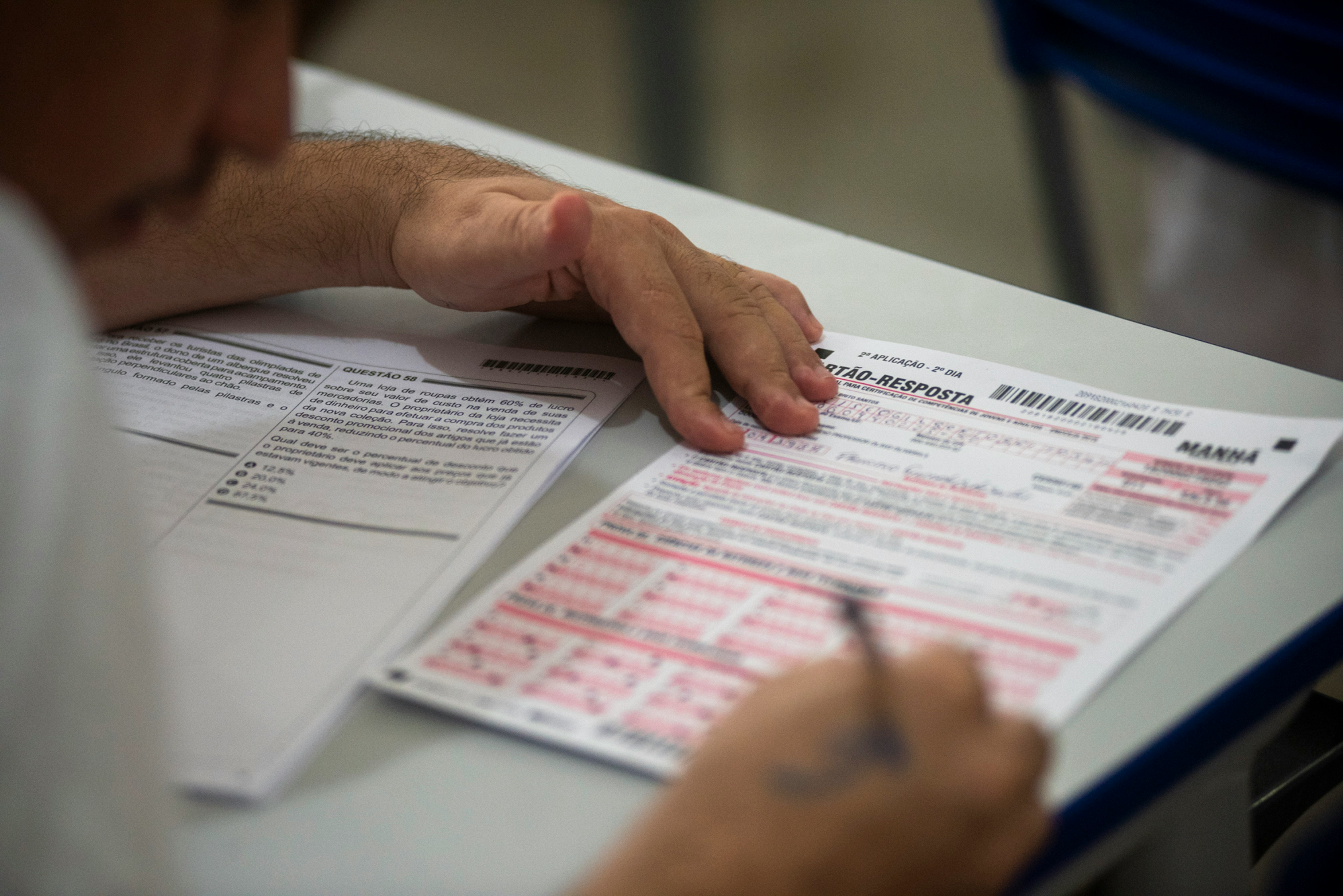
Poll worker (sometimes “election worker” or “election judge”)
Poll workers are the people running the polling place. They check in voters, hand out ballots, operate the equipment, and close out the precinct at the end of the night. They are recruited, trained, and are usually paid (but sometimes volunteer). They work for the local election office under the authority of the county or municipal clerk.
This is the single highest-leverage volunteer role on Election Day. Polling places open or close on whether enough trained workers show up, and many jurisdictions struggle to fill shifts — after the 2024 election, 48% of jurisdictions reported difficulty recruiting poll workers , and the U.S. Election Assistance Commission has issued a public call for volunteers ahead of the 2026 midterms. Below, we list poll worker opportunities in most states.
You typically apply through your county clerk or board of elections; you do not need any prior experience, though jurisdictions are actively trying to recruit younger workers to replace a retiring cohort.
Best for: people who want a concrete, structured day of work and don’t mind a long shift (often 13+ hours). You’ll be inside the system, not outside it. In many but not all cases, you’ll be paid; but compensation is typically only a few hundred dollars and most people do it because it makes our election system function.
Poll monitor (also “poll observer” or “nonpartisan poll watcher”)
Poll monitors watch the polling place. They are not paid, not part of the election staff, and have no authority to interact with voters about their eligibility. Their job is to notice and document problems — long lines, broken machines, voters being turned away, misapplied ID rules — and report them up a chain so they can be fixed in real time.
Nonpartisan monitor programs are typically run by organizations like the Election Protection coalition (led by the Lawyers’ Committee for Civil Rights Under Law), the League of Women Voters, or Common Cause. State rules vary on what monitors can and can’t do inside a polling place; the program that you choose you will train you on the local rules.
Best for: people who want to help on Election Day but aren’t in a position to commit to a full poll worker shift, or who want to focus specifically on access and accountability rather than on running the precinct.
Logistical poll monitor
A subset of poll monitors who focus specifically on the operations of the polling place: how long the lines are, whether the machines are working, whether the building is ADA-accessible, whether signage is up. The data they collect feeds back into post-election reporting and into pressure on the election office to staff and equip precincts better.
Best for: people who like data and process. You don’t need a legal background.
“Roving” or “floating” poll monitor
Same job as a poll monitor, but you cover several precincts in a day rather than sitting at one. Roving monitors usually have a car and a flexible day. They are often the first responders when a stationed monitor calls in a serious problem.
Best for: people with mobility, local geographic knowledge, and the ability to handle ambiguity — you’ll be redirected mid-day based on where problems pop up.
Poll challenger (also, confusingly, “poll watcher” in some states)
A poll challenger is something quite different: an observer who is legally empowered to formally challenge an individual voter’s eligibility or an improper election procedure at the polling place. That extra power is why the role has a bad reputation: it has historically been used by partisan operations to slow down voting or intimidate voters in targeted precincts, and the Brennan Center for Justice has documented how poll-challenger programs shade into voter intimidation when training and oversight are weak.
But the challenger credential itself is a useful legal tool with election-protection potential. It’s state by state, but Michigan is the clearest example: under Michigan election law , challengers can be appointed by qualified interest groups, which lets nonpartisan organizations place voter-protective challengers. When partisan challengers are looking for reasons to turn voters away, it can be helpful to have trained, credentialed non-partisan challengers too.
What a Michigan challenger can actually do is fairly limited: you can observe the process and inspect (but not touch) the roster; you can challenge a voter’s eligibility if you have good reason to believe the person isn’t registered; and you can challenge an election procedure that isn’t being followed correctly. You cannot challenge a voter to annoy or delay them, and you cannot threaten or intimidate anyone. You must be a registered Michigan voter and carry credentials from the program that appoints you.
Best for: level-headed people who can stay calm under pressure, follow a strict set of rules, and document rather than argue. We recommend a Michigan poll-challenger opportunity below.
Legal observer
Legal observers are poll monitors with a law background — typically attorneys, law students, or paralegals — deployed to polling places where legal issues are likely to come up. They handle the harder cases: a voter being wrongly turned away under a state ID law, a precinct closing early, a registration that’s gone missing. They escalate quickly to a command center staffed by election lawyers who can intervene with the county.
This is the role behind the 866-OUR-VOTE hotline and similar state-level hotlines run by ACLU affiliates. Training is mandatory and usually offered in the weeks before an election.
Best for: people with legal training (often open to law students and paralegals) who want to use that training civically.
Canvass monitor / tabulation monitor / certification monitor
These roles cover the post-election phase — the days and weeks after polls close, when ballots are counted, audits are run, and results are certified. Canvass in this context doesn’t mean door-knocking; it’s the official process of reviewing and tallying ballots. Tabulation is the counting itself. Certification is the final sign-off by the county or state.
Each of these is increasingly contested ground. A growing share of post-election disputes happens not at the polling place but at the county board meeting where results get certified, which is why nonpartisan groups now train volunteers specifically to attend and observe those meetings.
Best for: people who can commit time after Election Day, and who are comfortable in meeting-room settings rather than polling places.
Hotline volunteer
Hotline volunteers staff the phones during early voting and on Election Day, taking calls from voters who hit problems — wrong polling place, missing registration, machine down, intimidation. You triage the call, give the voter their immediate options, and escalate cases that need a lawyer. Training is required and shifts are often remote.
Best for: people who can’t travel to a polling place but can work a phone for a few hours, including from out of state.
Voter registration, phonebanking, textbanking, canvassing
These are the roles that happen before the election — helping eligible people get on the rolls, reminding registered voters when and where to vote, answering questions about ID rules. They aren’t election-protection in the narrow sense (you’re not watching a polling place), but they shape who’s able to vote in the first place. Most are remote-friendly.
Best for: people who want to plug in well before Election Day and prefer outreach to observation.
How to choose
If you want one rule of thumb: if you have a full day and want to be inside the system, apply to be a poll worker through your county. If you have a few hours and want to be a watchdog on behalf of voters, apply to be a poll monitor or hotline volunteer through one of the nonpartisan programs below. If you’re a lawyer or law student, the legal-observer programs need you. And if you can’t make Election Day at all, voter registration, certification monitoring, and hotline work all happen on other days.